The way companies manage employees is changing rapidly. Traditional performance reviews, static training programs, and routine work processes are no longer enough to keep teams motivated in today’s digital workplace. Businesses are now searching for smarter ways to increase employee engagement, improve productivity, and create a culture where people genuinely enjoy contributing to organizational goals.
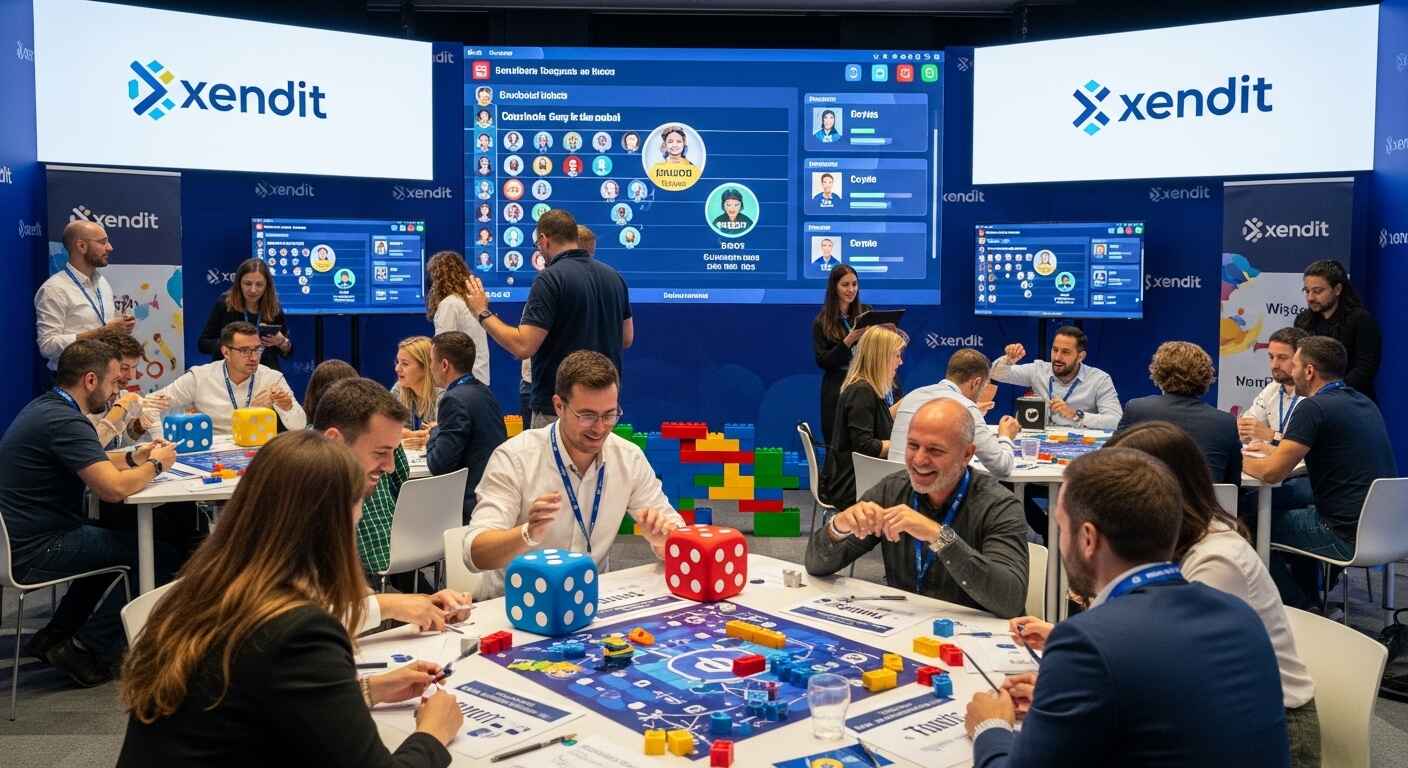
This is where the concept behind xendit work gamificationsummit has attracted attention. The discussion around workplace gamification is not simply about adding points, badges, or leaderboards. Instead, it focuses on building an environment where employees feel motivated, recognized, and connected to their work.
Organizations across industries are exploring workplace gamification techniques to improve collaboration, strengthen workplace learning initiatives, and encourage continuous professional development. By combining technology, psychology, and employee motivation strategies, companies can transform everyday tasks into meaningful experiences that drive measurable business outcomes.
In this article, we’ll explore the principles behind workplace gamification, how organizations like Xendit are influencing modern work culture, and what businesses can learn from these emerging engagement-driven strategies.
What Is Xendit Work GamificationSummit and Why Is It Gaining Attention?
The growing interest in xendit work gamificationsummit reflects a larger shift in how companies think about employee experience. Modern organizations recognize that engagement cannot be forced through policies alone. Employees want recognition, growth opportunities, and a sense of achievement in their daily work.
Workplace gamification introduces game mechanics into professional environments to encourage participation and motivation. Instead of viewing tasks as repetitive obligations, employees are given clear goals, rewards, and progress indicators that make work more interactive.
What makes this concept particularly relevant today is the rise of remote work, hybrid teams, and digital collaboration. Organizations need innovative methods to maintain engagement across distributed teams while supporting workplace efficiency and organizational performance.
As a result, discussions around gamified work environments continue to gain momentum among HR leaders, managers, and business decision-makers seeking sustainable ways to improve workforce management.
The Core Idea Behind Gamification in Modern Workplaces
At its core, workplace gamification is designed to align employee behavior with business objectives. Rather than relying solely on external pressure, companies create systems that naturally encourage employees to participate and improve.
Several common elements are used in gamified workplaces:
- Achievement badges
- Leaderboards
- Performance tracking systems
- Reward systems
- Team challenges
- Progress milestones
- Real-time feedback
These elements help employees visualize progress and understand how their efforts contribute to organizational goals.
One of the biggest misconceptions is that gamification makes work feel like a game. In reality, effective workplace gamification techniques focus on reinforcing positive behaviors that already support company success.
When implemented correctly, employees gain greater clarity about expectations while managers receive valuable engagement metrics that help measure participation and performance.
How Xendit Uses Game Mechanics to Improve Daily Workflows
One reason the discussion around xendit work gamificationsummit resonates with professionals is the emphasis on integrating motivation directly into daily workflows.
Rather than treating engagement as a separate initiative, gamified systems can become part of routine operations. Employees receive recognition for completing training modules, achieving sales targets, supporting colleagues, or contributing innovative ideas.
This approach creates several benefits:
- Increased employee participation
- Better visibility into team performance
- Faster skill development
- Improved collaboration
- Enhanced workplace achievements
Employees often respond positively when accomplishments are acknowledged consistently. Small rewards and recognition mechanisms can generate significant improvements in motivation psychology because individuals feel their contributions are valued.
Over time, these systems create an interactive work culture where employees are encouraged to pursue continuous improvement instead of merely meeting minimum expectations.
Key Elements That Make the Xendit Gamification Model Successful
Many organizations introduce rewards programs but fail to achieve meaningful results. The difference often lies in implementation.
Successful gamification models typically include:
Clear Objectives
Employees must understand exactly what actions are being encouraged. Ambiguous goals reduce participation and weaken engagement.
Transparent Progress Tracking
People are more motivated when they can monitor their advancement. Visible milestones help maintain momentum.
Meaningful Recognition
Recognition should feel authentic rather than automatic. Employees appreciate rewards that reflect genuine achievements.
Fair Competition
Leaderboards and workplace challenges should encourage growth without creating unhealthy rivalry.
Continuous Feedback
Real-time feedback enables employees to adjust performance quickly and remain engaged throughout projects.
These principles help create sustainable employee satisfaction rather than short-term excitement.
The Psychology Behind Employee Motivation and Gamification
One area many discussions overlook is the psychological foundation of gamification.
Human beings naturally seek:
- Achievement
- Recognition
- Progress
- Social connection
- Purpose
Gamified systems tap into these psychological drivers.
When employees complete a task and receive immediate recognition, the brain associates effort with positive outcomes. This creates a feedback loop that encourages future participation.
Motivation psychology suggests that individuals perform better when they experience a sense of competence and autonomy. Gamification supports both by allowing employees to track achievements while maintaining ownership over their development.
This is particularly important in modern workplaces where engagement levels can decline due to repetitive tasks or limited visibility into career growth opportunities.
By supporting employee experience through meaningful rewards and recognition, organizations can strengthen workplace motivation systems and improve long-term retention.
Gamified Learning, Training, and Employee Onboarding at Xendit
One of the most valuable applications of workplace gamification involves learning and development.
Traditional training programs often struggle with low completion rates and limited engagement. Employees may view training as a requirement rather than an opportunity.
Gamified learning changes this dynamic.
New hires can complete onboarding challenges, earn achievement badges, and unlock milestones as they progress through training materials. This transforms learning experiences into interactive journeys that encourage active participation.
Benefits include:
- Faster onboarding
- Better knowledge retention
- Increased employee confidence
- Improved participation rates
- Stronger professional development programs
Organizations investing in workplace learning initiatives often discover that gamification enhances both engagement and learning effectiveness.
This creates a workforce that is not only motivated but also continuously developing new skills that support business growth.
Measuring the Real Business Impact of Workplace Gamification
One weakness in many workplace gamification discussions is the lack of focus on measurable business outcomes.
Executives want evidence that engagement initiatives produce tangible value.
Key metrics often include:
- Employee retention rates
- Productivity improvements
- Training completion rates
- Employee satisfaction scores
- Customer service performance
- Sales growth
- Team collaboration levels
Organizations that implement gamification strategically can often identify measurable improvements across these areas.
Higher engagement frequently leads to reduced turnover, stronger collaboration, and greater workplace efficiency. These outcomes contribute directly to organizational performance and long-term competitiveness.
Rather than viewing gamification as an entertainment tool, successful companies treat it as a strategic framework for workforce optimization.
Also visit: Kenneth MyGreenBucks Net Complete Guide
Common Challenges Companies Face When Implementing Gamification
Despite its benefits, workplace gamification is not without challenges.
Many organizations encounter obstacles such as:
Overemphasis on Rewards
Employees may focus solely on rewards rather than meaningful contributions.
Poor System Design
Complicated systems often reduce participation.
Lack of Personalization
Different employees are motivated by different factors. A one-size-fits-all approach rarely succeeds.
Unhealthy Competition
Poorly designed leaderboards can create stress instead of motivation.
Limited Long-Term Engagement
Novelty eventually fades if organizations fail to evolve the experience.
To overcome these issues, businesses should prioritize personalized employee experiences, balanced reward structures, and continuous system improvement.
Lessons Businesses Can Learn from the Xendit Work GamificationSummit
The broader conversation surrounding xendit work gamificationsummit offers several important lessons.
First, employee engagement should be integrated into daily operations rather than treated as a standalone initiative.
Second, technology alone cannot solve motivation challenges. Companies must understand employee behavior and create systems that support meaningful growth.
Third, recognition remains one of the most powerful drivers of performance. Employees who feel valued are more likely to contribute innovative ideas and collaborate effectively.
Finally, successful workplace innovation requires continuous adaptation. Organizations must regularly evaluate engagement metrics and adjust strategies based on employee feedback.
These lessons can help businesses build stronger cultures that support both employee success and organizational goals.
Future Trends: AI, Personalization, and the Next Evolution of Workplace Gamification
The future of workplace gamification will likely be shaped by artificial intelligence and digital transformation.
AI-driven gamification systems can analyze employee behavior, identify motivation patterns, and recommend personalized challenges based on individual preferences.
Future developments may include:
- Personalized employee experiences
- Adaptive learning paths
- Intelligent reward systems
- Predictive engagement analytics
- Enhanced workplace technology integration
As organizations continue investing in innovation strategies, workplace gamification will become increasingly sophisticated.
Rather than offering generic rewards, future systems may provide customized experiences that align with career goals, learning objectives, and performance targets.
This evolution could redefine how companies approach employee engagement and workforce development in the years ahead.
Final Thoughts
The growing interest in xendit work gamificationsummit highlights a significant shift in workplace culture. Businesses are recognizing that employee engagement is not simply about compensation or policies. It is about creating meaningful experiences that encourage participation, growth, and achievement.
Workplace gamification offers a practical framework for improving employee motivation, strengthening team collaboration, and supporting long-term organizational performance. When combined with thoughtful leadership, continuous feedback, and personalized development opportunities, gamification can become a powerful tool for building an engagement-driven culture.
As the future of work continues to evolve, organizations that embrace innovation, digital transformation, and employee-centered strategies will be better positioned to attract talent, improve productivity, and create workplaces where people genuinely want to succeed.